Is Non-Woven Fabric Biodegradable? Exploring the Eco-Friendliness of Non-Wovens
02.05.2025
Every business is searching for environmentally appropriate substitutes as the globe moves towards sustainability. Non-woven textiles have made a name for themselves in this competition for more environmentally friendly options.
Every business is searching for environmentally appropriate substitutes as the globe moves towards sustainability. Non-woven textiles have made a name for themselves in this competition for more environmentally friendly options. The crucial issue, though, is whether non-woven fabric decomposes naturally.
Like the majority of topics in the sustainability discussion, the solution is complex. Let's examine non-woven fabric's definition, biodegradability, and how it is changing industries and tackling environmental issues.
Non-Woven Fabric: What is it?
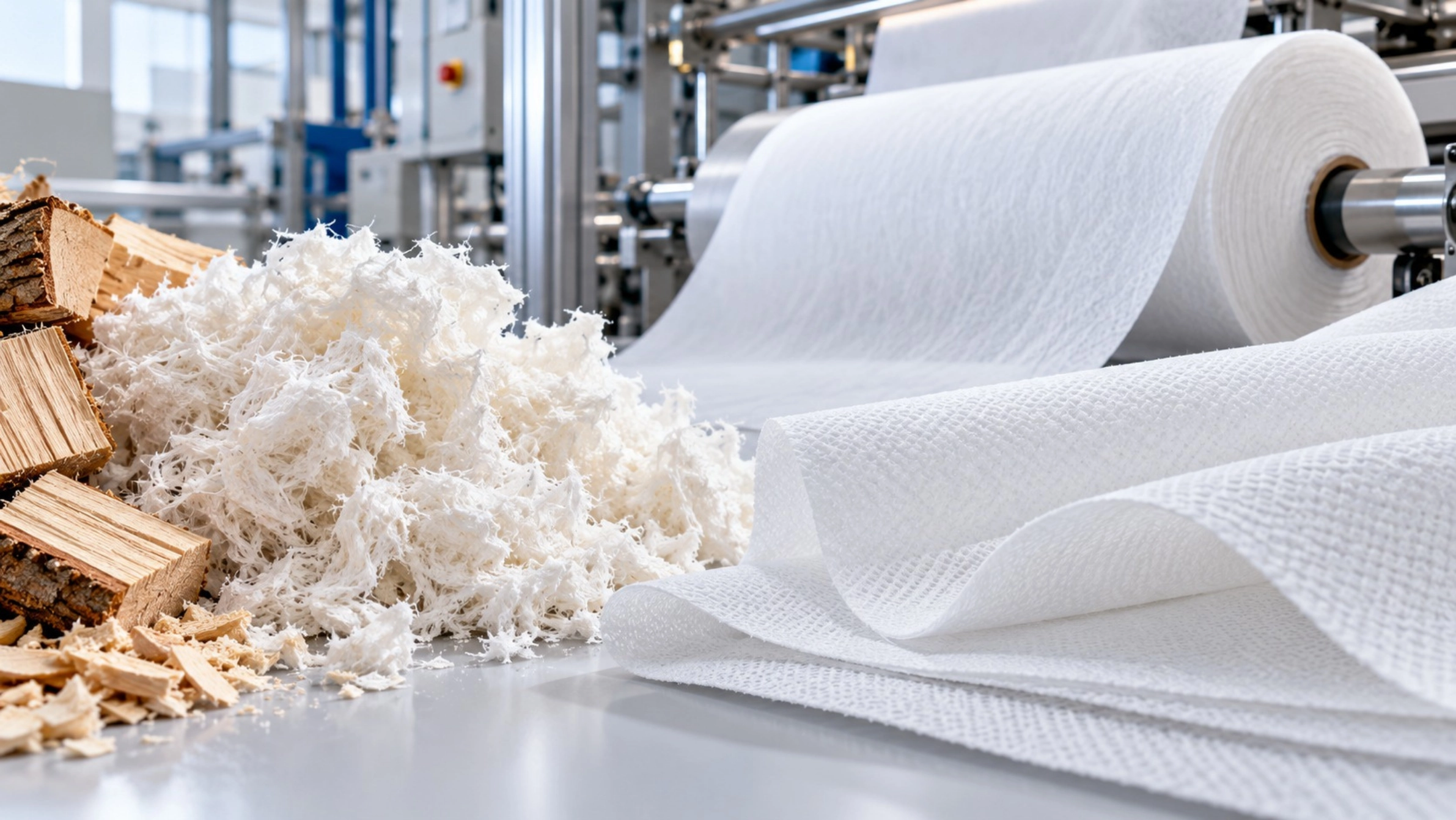
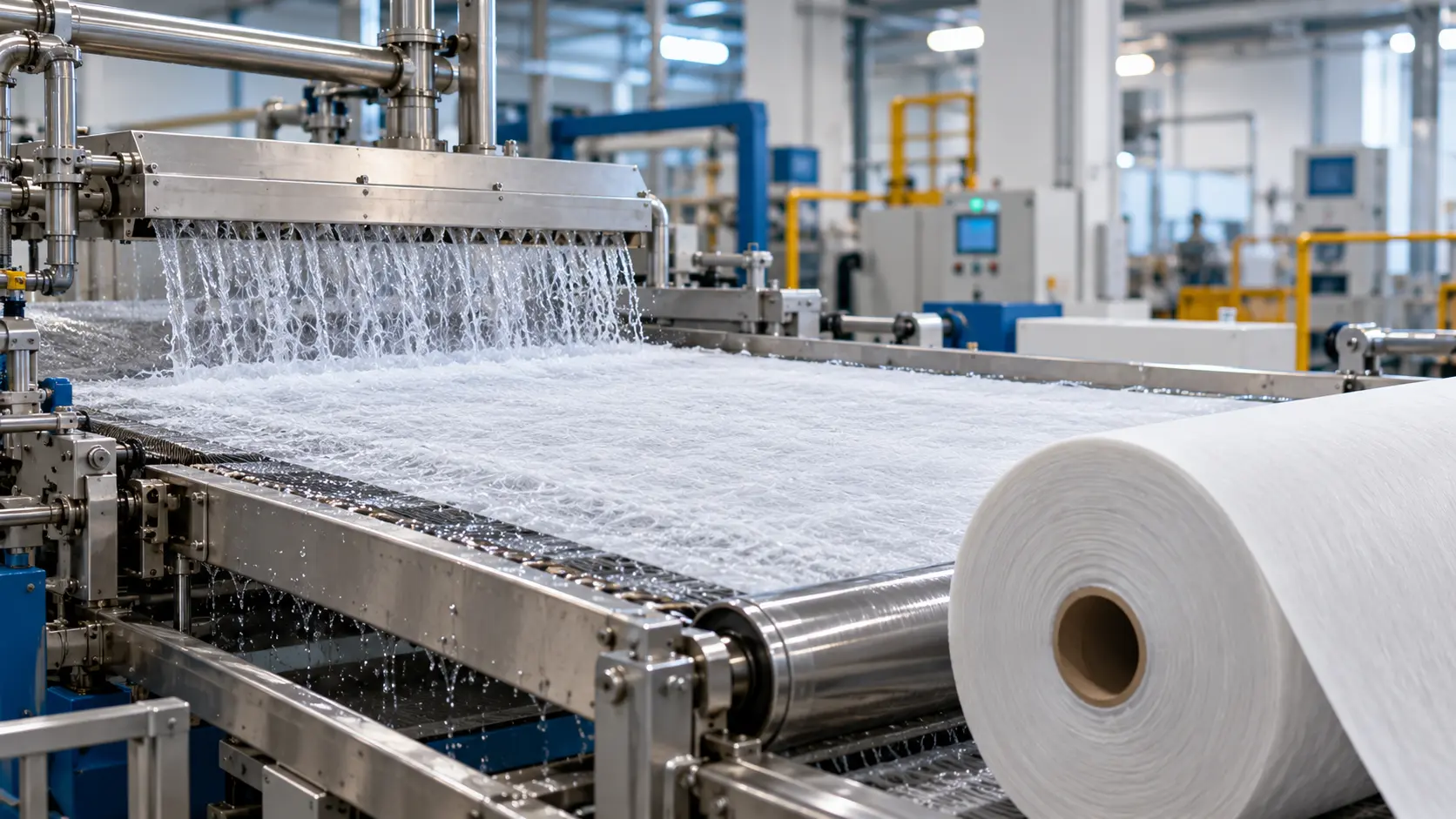
Traditional knitted or woven textiles are not the same as non-woven cloth. Non-woven textiles are made by chemically, mechanically, or thermally attaching fibres together rather than weaving them together in a pattern. Their lightweight, adaptable, and frequently disposable character is a result of this process.
Non-Woven Fabric Types Include
Polypropylene, polyester, and other synthetic materials are used to make synthetic non-wovens.
Renowned for being affordable and long-lasting, but not as environmentally friendly.
Natural non-wovens:
- Natural non-wovens are made of biodegradable materials such as bamboo, jute, or cotton.
- They are ecologically beneficial since they naturally decompose.
Is Non-Woven Fabric Biodegradable?
Nonwoven textiles' biodegradability is totally determined by their material makeup.
Biodegradable Non-Woven Fabrics
- These textiles, made of natural fibres such as cotton or bamboo, degrade spontaneously when exposed to dirt, moisture, and microbes.
- They are a popular choice in agriculture and retail.
Non-Biodegradable Non-Woven Fabrics
- Non-woven synthetic materials are not biodegradable, particularly those composed of polypropylene.
- To lessen their influence on the environment, they need to be recycled or disposed of using certain techniques.
What is the biodegradability of nonwoven fabric? Yes, provided that it is composed of natural fibres. However, synthetic choices belong to a distinct category and should be disposed of carefully.
Factors That Influence Biodegradability of Non-Woven Fabrics
Material Composition
- Natural fibers decompose easily; synthetics do not.
Environmental Conditions
- High moisture and microbial activity speed up biodegradation.
Usage and Disposal
- Single-use non-wovens contribute to waste, while biodegradable ones support eco-friendly goals.
Benefits of Biodegradable Non-Woven Fabrics
Due to their favourable environmental effects, biodegradable non-wovens are becoming more and more popular.
Eco-Friendly
- Reduce landfill waste and carbon footprint.
Versatile Applications
- Used in bags, agricultural covers, and hygiene products.
Sustainable Materials
- Often made from renewable resources like bamboo or jute.
These fabrics are a step forward in balancing industrial needs with ecological responsibility.
Applications of Non-Woven Biodegradable Fabrics
1. Retail
- Single-use plastics are being replaced by reusable shopping bags and tote bags.
2. Agriculture
- Biodegradable weed barriers and crop coverings help farmers and the environment at the same time.
3. Hygiene Products
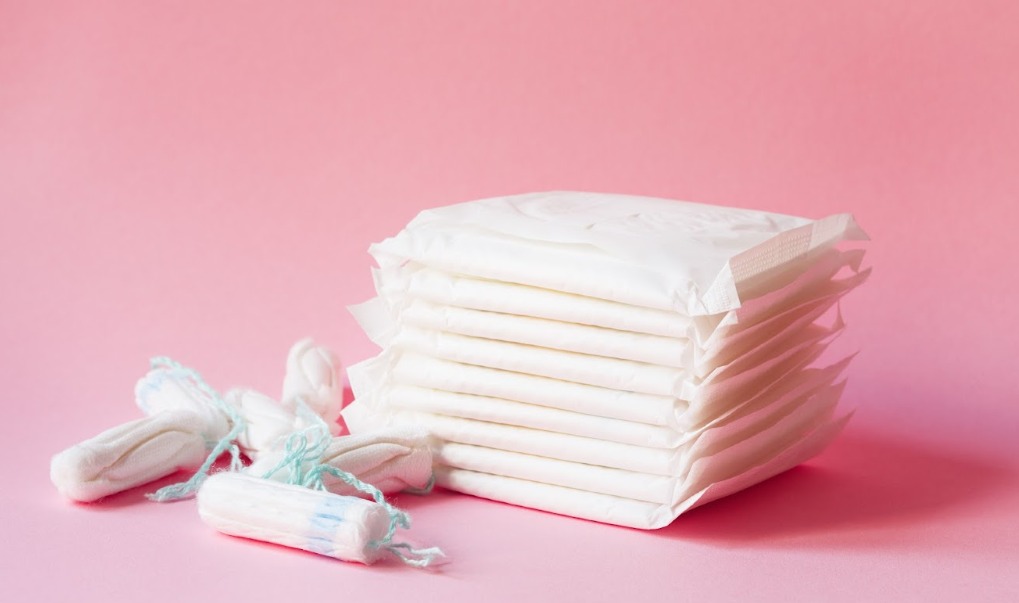
- More and more biodegradable alternatives are being used to make wipes, sanitary napkins, and nappies.
4. Medical Sector
- Drapes, gowns, and masks provide throwaway convenience without causing environmental damage.
Nonwoven biodegradable fabric is in high demand across sectors due to its versatility and environmental friendliness.
Biodegradable Non-Woven Fabric Manufacturers in India
Thanks to innovation and a focus on sustainability, India is a global leader in the production of biodegradable nonwoven fabric.
Why India Leads the Market
- Availability of natural fibers like jute and cotton.
- Advanced manufacturing capabilities.
- Commitment to eco-friendly practices.
Key Players:
- By providing premium, environmentally friendly non-wovens in India, businesses such as Elixrr are establishing standards.
- With a focus on minimising environmental effect, their products serve a variety of industries, including retail and healthcare.
Challenges in Adopting Biodegradable Non-Woven Fabrics
Higher Costs
- Natural fibers are pricier than synthetic alternatives.
Limited Awareness
- Consumers often lack knowledge about proper disposal methods.
Recycling Infrastructure
- Synthetic non-wovens need robust systems to prevent environmental harm.
How to Identify Biodegradable Non-Woven Fabrics
Material Labels
- Look for natural fibers like cotton, jute, or bamboo.
Certifications
- Check for eco-certifications like ISO or FSC.
Disposal Instructions
- Labels should indicate if the fabric is compostable or biodegradable.
These steps help ensure you’re making a truly eco-friendly choice.
Future of Biodegradable Non-Woven Fabrics
- The future of non-wovens is undeniably green.
- Innovation in Materials: Improving performance and sustainability by combining natural and synthetic fibres.
- Government Regulations: Regulations that favour recyclable and biodegradable goods.
- Rising Consumer Demand: People are making environmentally friendly decisions a priority, which is fuelling this industry's expansion.
- India is a centre for contemporary nonwovens as its textile sector is leading the way in these developments.
Conclusion
For the purpose of answering the query, "Is nonwoven fabric biodegradable?"—yes, but only if it's composed of natural fibres. The transition to biodegradable alternatives is essential for cutting waste and promoting sustainability.
With its abundant resources and creative producers like Elixrr, India is in the forefront of creating biodegradable nonwoven fabric for international markets. Businesses and individuals alike may help create a more sustainable world by selecting eco-friendly non-woven fabrics.
At Elixrr, we redefine sustainability with our premium range of biodegradable non-wovens. From tote bags to medical applications, we deliver innovative solutions tailored to your needs. Join us in shaping a greener future—contact Elixrr today!
FAQs About Biodegradable Non-Woven Fabrics
1. What makes non-woven fabric biodegradable?
Natural fibers like cotton or bamboo break down naturally, while synthetics require recycling.
2. How can I responsibly dispose of non-woven fabrics?
- Compost natural non-wovens.
- Recycle synthetic ones where facilities exist.
3. Are biodegradable non-woven fabrics more expensive?
Yes, but their environmental benefits outweigh the cost difference.
4. What industries benefit the most from biodegradable non-wovens?
Retail, agriculture, hygiene, and medical industries see significant advantages.
5. How does Elixrr contribute to sustainable non-wovens in India?
Elixrr leads the market with innovative, eco-friendly products tailored to modern needs.





Every business is searching for environmentally appropriate substitutes as the globe moves towards sustainability. Non-woven textiles have made a name for themselves in this competition for more environmentally friendly options. The crucial issue, though, is whether non-woven fabric decomposes naturally.
Like the majority of topics in the sustainability discussion, the solution is complex. Let's examine non-woven fabric's definition, biodegradability, and how it is changing industries and tackling environmental issues.
Non-Woven Fabric: What is it?
Traditional knitted or woven textiles are not the same as non-woven cloth. Non-woven textiles are made by chemically, mechanically, or thermally attaching fibres together rather than weaving them together in a pattern. Their lightweight, adaptable, and frequently disposable character is a result of this process.
Non-Woven Fabric Types Include
Polypropylene, polyester, and other synthetic materials are used to make synthetic non-wovens.
Renowned for being affordable and long-lasting, but not as environmentally friendly.
Natural non-wovens:
Is Non-Woven Fabric Biodegradable?
Nonwoven textiles' biodegradability is totally determined by their material makeup.
Biodegradable Non-Woven Fabrics
Non-Biodegradable Non-Woven Fabrics
What is the biodegradability of nonwoven fabric? Yes, provided that it is composed of natural fibres. However, synthetic choices belong to a distinct category and should be disposed of carefully.
Factors That Influence Biodegradability of Non-Woven Fabrics
Material Composition
Environmental Conditions
Usage and Disposal
Benefits of Biodegradable Non-Woven Fabrics
Due to their favourable environmental effects, biodegradable non-wovens are becoming more and more popular.
Eco-Friendly
Versatile Applications
Sustainable Materials
These fabrics are a step forward in balancing industrial needs with ecological responsibility.
Applications of Non-Woven Biodegradable Fabrics
1. Retail
2. Agriculture
3. Hygiene Products
4. Medical Sector
Nonwoven biodegradable fabric is in high demand across sectors due to its versatility and environmental friendliness.
Biodegradable Non-Woven Fabric Manufacturers in India
Thanks to innovation and a focus on sustainability, India is a global leader in the production of biodegradable nonwoven fabric.
Why India Leads the Market
Key Players:
Challenges in Adopting Biodegradable Non-Woven Fabrics
Higher Costs
Limited Awareness
Recycling Infrastructure
How to Identify Biodegradable Non-Woven Fabrics
Material Labels
Certifications
Disposal Instructions
These steps help ensure you’re making a truly eco-friendly choice.
Future of Biodegradable Non-Woven Fabrics
Conclusion
For the purpose of answering the query, "Is nonwoven fabric biodegradable?"—yes, but only if it's composed of natural fibres. The transition to biodegradable alternatives is essential for cutting waste and promoting sustainability.
With its abundant resources and creative producers like Elixrr, India is in the forefront of creating biodegradable nonwoven fabric for international markets. Businesses and individuals alike may help create a more sustainable world by selecting eco-friendly non-woven fabrics.
At Elixrr, we redefine sustainability with our premium range of biodegradable non-wovens. From tote bags to medical applications, we deliver innovative solutions tailored to your needs. Join us in shaping a greener future—contact Elixrr today!
FAQs About Biodegradable Non-Woven Fabrics
1. What makes non-woven fabric biodegradable?
Natural fibers like cotton or bamboo break down naturally, while synthetics require recycling.
2. How can I responsibly dispose of non-woven fabrics?
3. Are biodegradable non-woven fabrics more expensive?
Yes, but their environmental benefits outweigh the cost difference.
4. What industries benefit the most from biodegradable non-wovens?
Retail, agriculture, hygiene, and medical industries see significant advantages.
5. How does Elixrr contribute to sustainable non-wovens in India?
Elixrr leads the market with innovative, eco-friendly products tailored to modern needs.